Understanding the Major Difference Between IT Asset Disposal and E-Waste Recycling
When IT equipment has been old, it’s simple to imagine the issue as a physical issue. There are boxes of old computers, phones, servers, and drives that need to be cleared. Even when they reach the end of their usefulness, IT assets retain sensitive information like employee details and customer records, as well as credentials and operational information.
In this article, Sanjari Computers, a trusted e-waste recycling company in India, clarifies the distinction between ITAD and electronic recycling. We’ll also explain how risk for data is actually incorporated when it comes to disposal.
What Is Electronics Recycling?
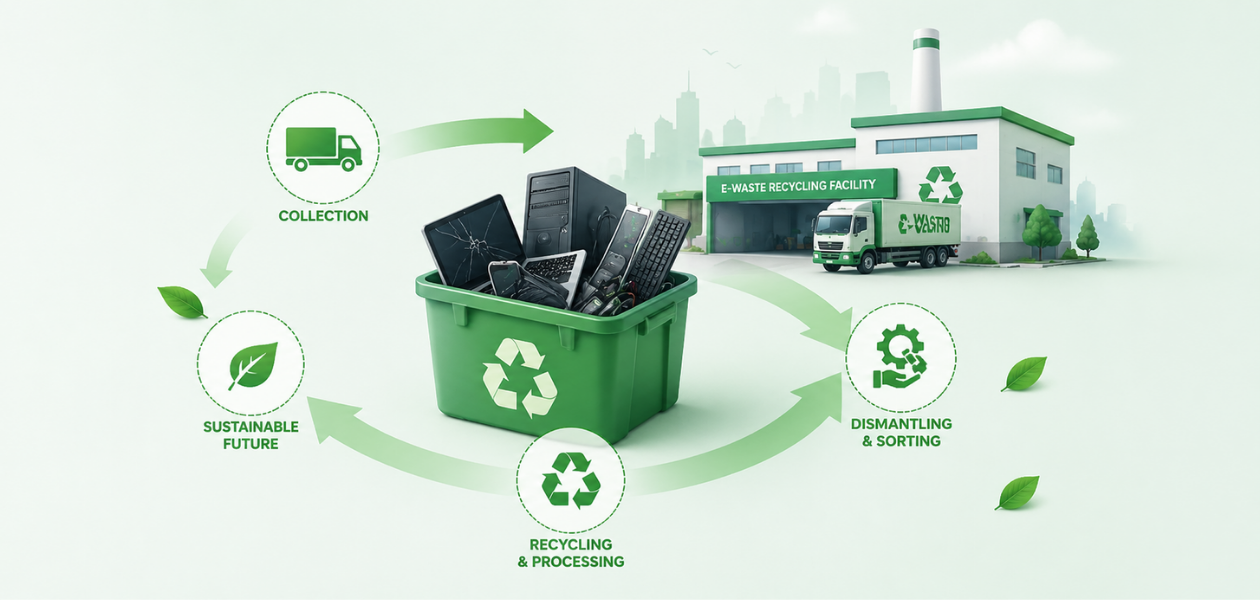
An e-waste recycling company in India helps organizations to manage their electronic waste by reducing waste in landfills. These e-waste disposal services include the removal of dangerous substances, the shredding of e-scraps, and the separation of essential products to reuse in the production process.
What Electronics Recycling Does NOT Provide
Electronics recycling has not been intended to safeguard sensitive information. The majority of recyclers are designed to transport large amounts of equipment quickly so that materials are able to be broken, dismantled, and recycled. This is why security measures are usually only minimal.
Reporting typically focuses on weight tickets and basic pickup confirmations, but not device-level tracking. In many instances there isn’t reliable evidence of where a particular laptop or server was located, the person who took care of the data, or what occurred to the information the data contained.
What Is ITAD (IT Asset Disposition)?
One of the most important aspects of IT asset disposal has to do with accountability. It offers complete visibility of what happens to every device from the time it is retired until the end of data destruction, erasure, or reuse. It allows you to control the process, documentation, and accountability throughout the entire process. These are all essential, particularly for companies that handle sensitive information or work in environments that are regulated.
Where Data Risk Truly Lives
Many companies believe that their responsibilities end after they’ve thrown away their device to recycle streams. However, that’s the point where the biggest risks start. After hardware has left the controlled environment of IT and is able to traverse multiple handlers, storage facilities, and processing processes in which data is not addressed. Hardware can be classified as stockpiled, scrap, or redirected with no verification. Every step of the process performed by an e-waste recycling company in India, sensitive data remains in danger.
With a no-cost analysis by Sanjari Computers, you’ll get an in-depth understanding of security issues with your data, possible value recovery, and how your current processes impact the sustainability of your business. It will also explain the requirements for a 100% secure, fully documented ITAD program and the steps your company will need to take to reach that goal.
FAQ’s
How to Choose the Right E-Waste Recycling Company in India?
To choose the right company, check out their recycling process, certifications, and the surety of reusable products.
What Does Sanjari Computers Accept in Electronic Recycling?
Sanjari Computers accepts major types of electronics like Computers, laptops, smartphones, tablets, and Televisions for recycling.
How Sanjari Computers are Effective for Businesses?
We are among one of the best e-waste recycling companies in India, offering valuable recycling solutions to businesses that boost their revenue.